

As temperatures drop, mice and rats start looking for a warm place to spend the cold months. Your home offers exactly what they want: shelter, insulation, and a steady supply of food. Rodent proofing your home before winter arrives is one of the most effective ways to keep these unwelcome guests out. Moreover, acting early prevents the damage, contamination, and health risks that rodents bring when they settle in. Therefore, understanding how rodents get inside and how to block their entry points is a practical step every homeowner should take this season.
Rodent problems rarely resolve on their own. Once mice or rats establish nests inside walls, attics, or crawl spaces, they reproduce quickly and can cause serious harm. This guide explains why winter drives rodents indoors, where they enter, and what you can do to rodent proof your home before the cold sets in.
Why Rodents Move Indoors in Winter
Rodents are not looking for a permanent home inside yours. They are responding to changes in their environment. As outdoor temperatures fall and food becomes scarce, mice and rats search for sheltered places where they can survive until spring. Consequently, heated homes become highly attractive.
Several seasonal factors push rodents toward buildings:
- Dropping temperatures that make outdoor nests uncomfortable and unsafe
- Reduced food sources as seeds, fruits, and insects become harder to find
- Snow and ground moisture that cover burrows and make foraging difficult
- Leaf litter and debris that hide rodents as they move along the foundation
- Warm, dry interior spaces that provide ideal nesting conditions
Once a rodent finds a warm space with food nearby, it may stay put and reproduce. A single female mouse can produce a litter every few weeks during the breeding season, so a small problem can grow quickly.
Common Rodents That Invade Homes
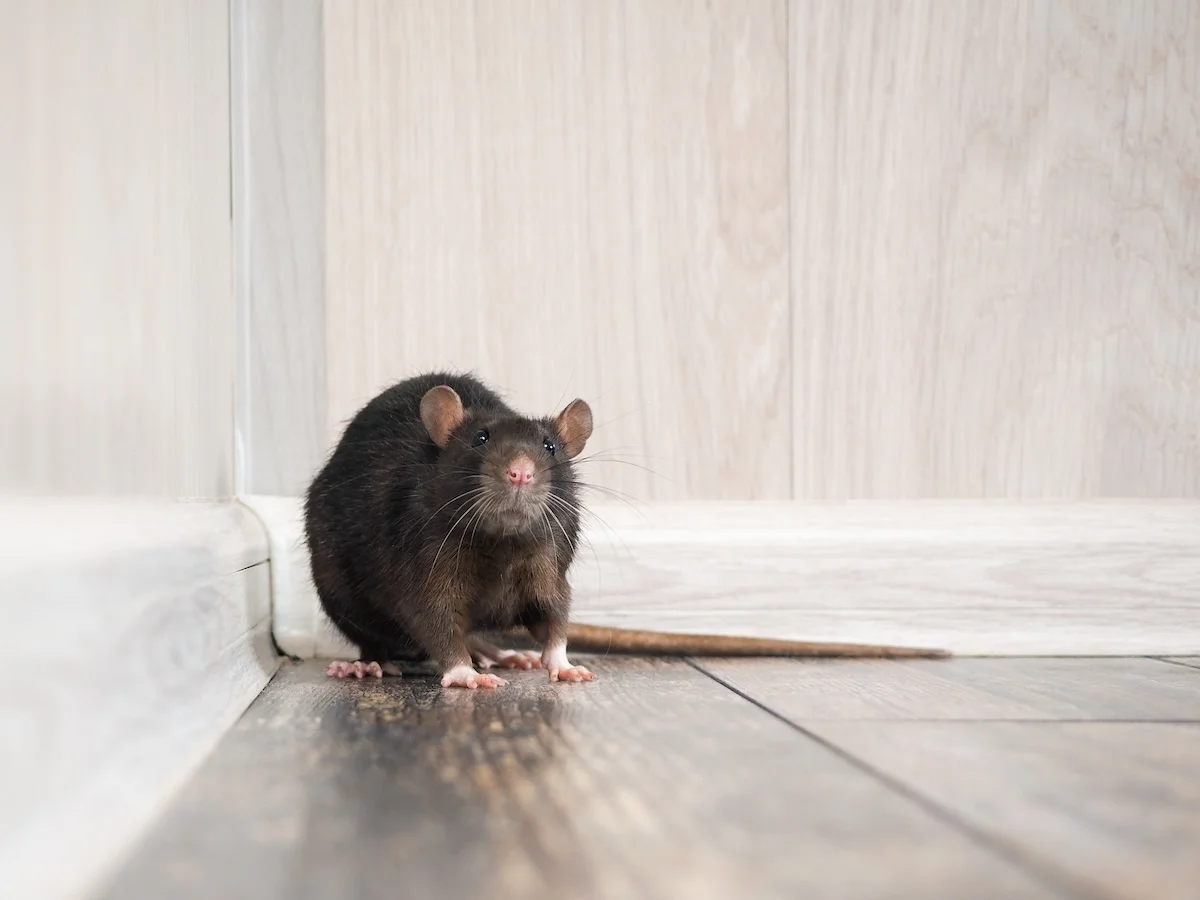
Two species cause most of the trouble for homeowners in winter. Knowing which one you are dealing with helps you choose the right prevention and control steps.
House Mice
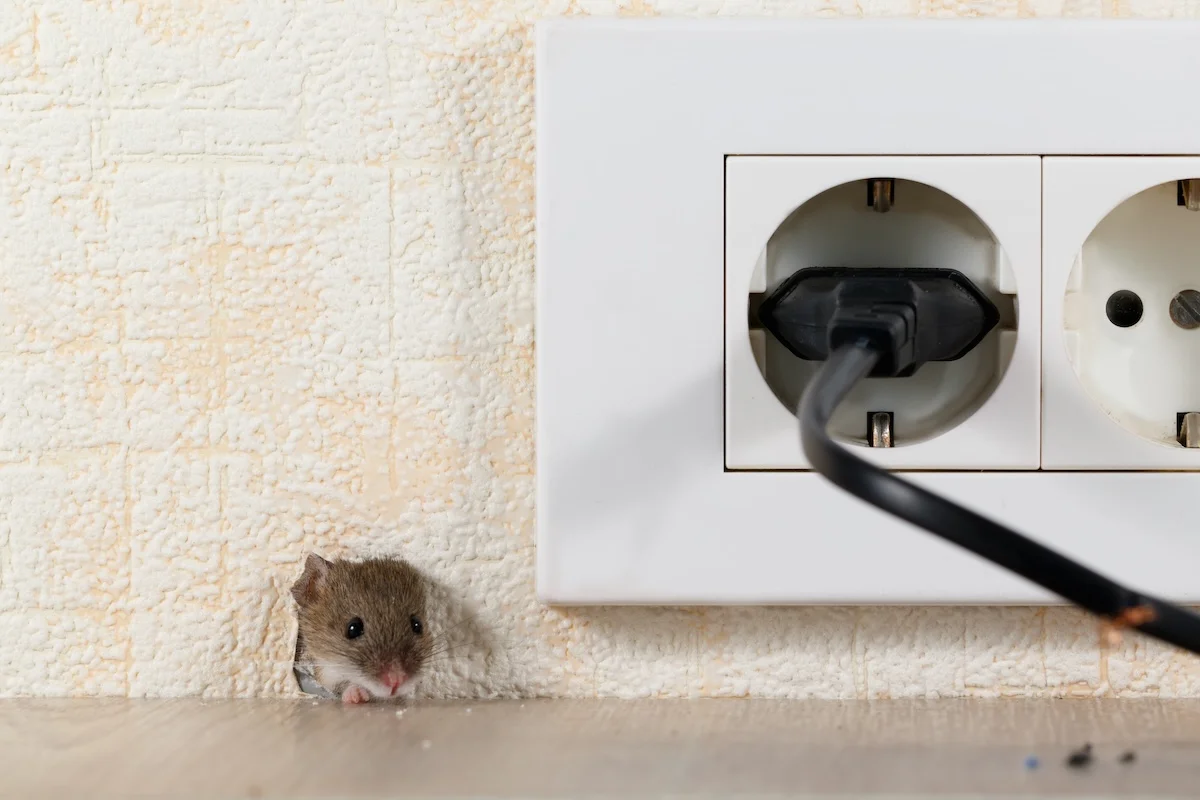
House mice are small, typically gray or brown, and are often the first rodents homeowners notice. They can squeeze through openings about the size of a dime. Mice are curious and agile, and they often nest in wall voids, insulation, stored boxes, and cabinets. Their droppings are small and rod-shaped, often found along baseboards and in pantries.
Norway Rats and Roof Rats
Rats are larger and more destructive than mice. Norway rats usually nest at ground level, in basements, crawl spaces, and along foundations. Roof rats climb and prefer upper areas such as attics and wall spaces. Rats can fit through openings about the size of a quarter, and they gnaw constantly to keep their teeth in check, which makes them a serious threat to wiring, insulation, and structural materials.
Where Rodents Get In
Rodents can enter homes through surprisingly small openings. Their skeletons are flexible, and they can squeeze through gaps that appear far too narrow to matter. Therefore, rodent proofing your home means checking every possible entry point, not just the obvious ones.
Common entry points include:
- Gaps around pipes and utility lines where cables, gas lines, or water pipes enter the building
- Cracks in the foundation and gaps where the foundation meets the siding
- Damaged or missing vent screens on crawl spaces, attics, and dryer vents
- Gaps under exterior doors where weatherstripping has worn away
- Torn window screens and damaged window seals
- Openings in the garage around doors, door frames, and garage door seals
- Roof edges and soffits where vents or fascia boards have deteriorated
Moreover, rodents often use the same route repeatedly, leaving grease marks along walls and droppings near entry points. Searching for these signs during your inspection helps you find access points you might otherwise miss.
Inspecting Your Home for Entry Points
A thorough inspection is the foundation of rodent proofing. Set aside an afternoon, bring a flashlight, and work from the outside in. Look carefully at the exterior first, then move to the interior spaces where rodents may be nesting.
Exterior Inspection
Walk the entire perimeter of your home. Look for cracks in the foundation, gaps where utilities enter the walls, and places where siding has pulled away. Check vents, weep holes, and the edges of roof flashing. Additionally, inspect the area around outdoor faucets, dryer vents, and air conditioning lines, since these openings are frequently overlooked.
Interior Inspection
Next, check the spaces where rodents tend to hide and nest. Focus on basements, crawl spaces, attics, garages, and utility rooms. Look behind appliances, under sinks, and inside cabinets. Inspect stored boxes and seldom-used closets, and watch for shredded insulation, droppings, or chewed materials.
Signs of Rodent Activity
As you inspect, watch for these common signs:
- Droppings that are small, dark, and often clustered near food or along walls
- Gnaw marks on food packaging, wood, electrical wiring, or plastic
- Grease smudges along baseboards and wall edges where rodents travel
- Scratching or scurrying sounds especially at night
- Nests made of shredded paper, fabric, or insulation
- Unusual odors in enclosed spaces such as attics or wall voids
If you see any of these signs, note the location and check it again after sealing entry points to confirm whether activity has stopped.
Sealing Entry Points the Right Way
Once you have identified gaps, sealing them is the most important step in rodent proofing your home. However, using the right materials matters. Rodents can chew through soft materials, so you need barriers they cannot easily penetrate.
Materials That Work
- Steel wool packed tightly into gaps, often paired with caulk or sealant to hold it in place
- Hardware cloth with small openings for vents and larger gaps
- Metal flashing for areas that rodents might try to gnaw through
- Exterior-grade caulk or expanding foam for smaller cracks, applied after stuffing gaps with steel wool
- Door sweeps and weatherstripping for doors that do not close tightly
Avoid relying on foam alone, since rodents can gnaw through it. Likewise, avoid using plastic or rubber alone for permanent repairs, as they are easy for rodents to chew.
Priority Repairs
Start with the most likely entry points. Crawl space vents, gaps around pipes, and damaged door sweeps are usually the first priorities. Replace torn window screens and cover attic or soffit vents with fine metal mesh. Furthermore, repair any foundation cracks wider than a few millimeters, since rodents can use them as access routes.
Removing Food, Water, and Shelter
Sealing gaps keeps rodents out, but removing what attracts them strengthens your defense. Rodents need food, water, and shelter to survive. Eliminating these attractants makes your home far less appealing.
Food Sources
Store food in sealed containers made of glass, metal, or thick plastic. Clean up crumbs and spills right away, and do not leave pet food out overnight. Keep garbage cans tightly lidded and take trash out regularly. Remember that birdseed spilled on the ground and fallen fruit in the yard can also draw rodents toward your home.
Water Sources
Fix leaky faucets, pipes, and drains promptly. Ensure that dishwashers and washing machines are properly connected and not dripping. Empty standing water from containers and check for moisture under sinks and around water heaters.
Shelter and Clutter
Reduce clutter in basements, garages, and attics. Store items in sealed plastic containers instead of cardboard boxes, which rodents can easily chew and nest in. Keep stored items off the floor and away from walls. Additionally, trim shrubs and tree branches so they do not touch the house, since branches give rodents a bridge to roofs and upper windows.
Yard Maintenance
Clear leaves, woodpiles, and debris from the foundation. Store firewood at least 20 feet from the house and elevate it off the ground. Keep grass short and remove heavy vegetation near the structure. These steps reduce the cover rodents rely on as they travel toward your home.
Creating a Winter Rodent Proofing Plan
A planned approach works better than a single rushed effort. The steps below can help you prepare before the coldest weather arrives.
- Early November: Clear leaves and debris from the foundation, trim branches, and inspect the exterior
- Mid-November: Seal gaps around pipes, vents, and foundation cracks, and replace damaged screens
- Late November: Install door sweeps, check weatherstripping, and reduce clutter in storage areas
- Early winter: Monitor for activity, check traps or monitoring stations, and recheck entry points after storms
Consistency matters more than perfection. A few small improvements made regularly will do more than one large project completed too late.
Choosing Traps and Monitoring Tools
Traps and monitoring devices can help you detect and reduce rodent activity. Used correctly, they are useful tools in a broader rodent proofing plan.
Snap traps are a common option for mice and rats. Place them perpendicular to walls, since rodents tend to travel along edges. Bait them with peanut butter or another food the rodents will eat, and check them regularly. Enclosed bait stations can also protect children and pets from accidental exposure. Remember that every trap must be checked and cleaned, and that dead rodents should be handled with gloves and disposed of properly.
Monitoring tools, such as tracking powder or sticky pads, can show where rodents are traveling. Placing them along walls or near entry points helps confirm whether your sealing efforts are working. If tracks continue to appear after you have sealed the home, the rodents may still have another route inside.
Always read and follow the label directions on any product, and keep all devices away from children and pets.
Health Risks of Rodents in Your Home
Rodent proofing is about more than protecting property. Rodents can spread germs through droppings, urine, and nesting materials. Disease-related concerns include salmonellosis, hantavirus, and leptospirosis, though the risk level depends on the species and the exposure. Rodent allergens can also trigger asthma attacks, especially in children and people with respiratory conditions.
Because of these risks, you should avoid sweeping or vacuuming droppings and nesting materials, which can release particles into the air. Instead, wear gloves and a mask, spray the area with a disinfectant, wait several minutes, and then wipe up the debris with paper towels. Wash your hands thoroughly afterward.
When to Call a Professional
Some rodent problems are beyond what homeowners can safely or effectively handle. Call a professional if you notice persistent activity after sealing entry points, signs of nesting in walls or attics, damage to wiring or insulation, or a large number of droppings. Professional technicians can locate hidden entry points, safely remove rodents, and recommend exclusion work that is difficult to complete on your own.
Professional rodent control also includes a thorough inspection, targeted treatments, sanitation guidance, and follow-up visits to confirm the problem has been resolved. Learn more about how we help homeowners through our rodent control and exclusion services. For additional research-based guidance on rodent biology and prevention, the University of Minnesota Extension offers helpful resources.
Protect Your Home Before the Cold Sets In
Rodents are drawn indoors by warmth, shelter, and food, and winter makes those conditions more appealing. The good news is that most rodent problems can be prevented with a careful inspection, the right sealing materials, and consistent attention to food, water, and clutter. Rodent proofing your home now prevents damage to wiring and insulation, reduces health risks, and keeps your family and property safe through the season.
Start with a thorough inspection of your home’s exterior, seal the most likely entry points, and remove the food and shelter rodents rely on. If you already notice signs of activity or want a professional assessment, contact James River Pest Solutions today. Our team can help you rodent proof your home and enjoy a quiet, rodent-free winter.