
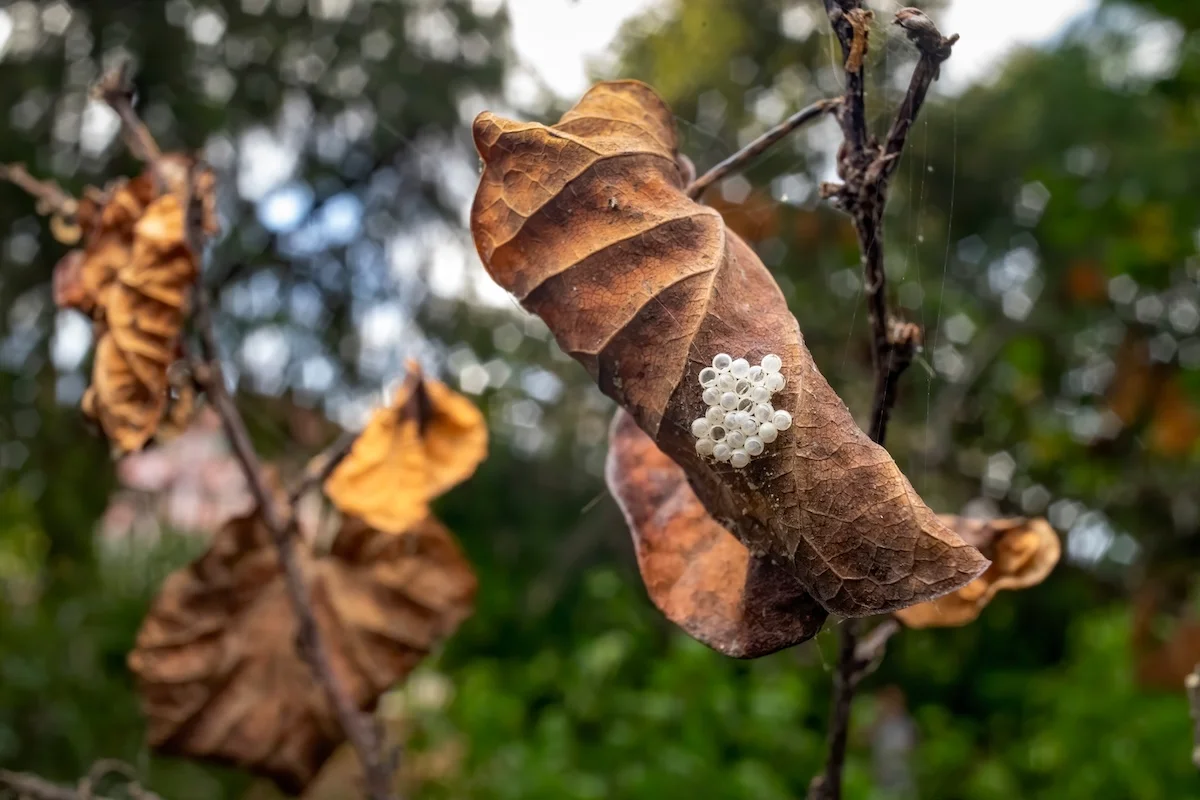
Every autumn, trees drop their leaves, and most homeowners see the task of raking as a seasonal chore to finish before the first snow. However, those leaves do much more than cover the lawn. A thick layer of wet leaves against your foundation, in your gutters, or along your fence line creates shelter, moisture, and food for a wide range of pests. Leaf removal and pest prevention are closely connected, and staying on top of yard cleanup is one of the simplest ways to protect your home before winter arrives. Moreover, a few well-timed cleanup efforts can prevent problems that would otherwise require costly treatments later.
Understanding why leaves bring pests, which pests they draw in, and how to manage debris effectively gives you practical control over your property. Therefore, this guide explains the connection between leaf removal and pest prevention and offers clear steps you can take this month.
Why Fallen Leaves Bring Pests
Leaves are more than yard debris. As they fall and collect, they create a microenvironment that many pests find ideal. Damp leaf piles hold moisture close to the ground, stay shaded, and slowly decompose into a food source for insects and other small animals. Consequently, a neglected leaf pile can become a headquarters for pest activity.
Several factors make accumulated leaves especially attractive:
- Moisture retention that keeps the soil and leaf layer damp for long periods
- Shelter from cold that gives overwintering insects a protected place to hide
- Decomposing organic matter that feeds beetles, earthworms, millipedes, and other organisms that pests then prey upon or follow
- Darkness and cover that shields pests from predators and from people walking by
- Proximity to structures when leaves pile against walls, decks, and foundations
Because leaves hold all four of these conditions in one place, they can quickly turn a tidy yard into a pest-friendly one. Furthermore, leaves that stay in place through winter can keep providing shelter long after the weather turns cold.
Common Pests Drawn to Leaf Litter
Different pests respond to leaf debris in different ways. Knowing which ones are most likely to move in helps you understand why cleanup matters so much.
Ground Beetles and Millipedes
Ground beetles and millipedes thrive in damp leaf litter. While many ground beetles eat other insects and are considered beneficial, large numbers of millipedes can become a nuisance when they wander indoors seeking moisture. Millipedes do not bite or sting, but their presence inside a home is unwelcome and often signals a moisture problem.
Overwintering Insects
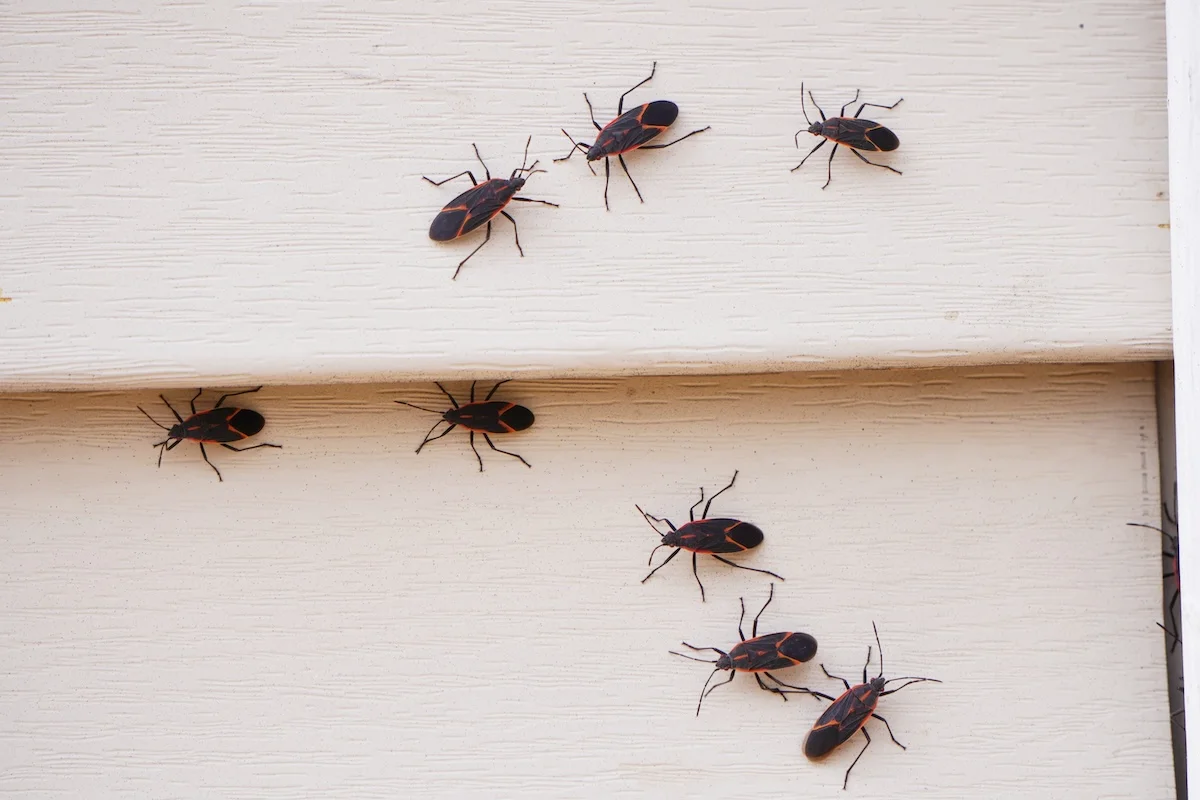
Many insects spend the winter tucked beneath leaves, bark, and debris. Stink bugs, lady beetles, and various spiders may use leaf piles as shelter before searching for openings into buildings. Cleaning up leaves removes these winter hiding places and reduces the number of insects looking for a way inside.
Rodents
Mice and voles are among the most significant pests that use leaf piles for cover. A dense layer of leaves along the foundation gives rodents a sheltered path to walk along while they search for entry points. Once they find a gap, they can move indoors quickly. Mice can squeeze through openings as small as a dime, so a leaf pile that hides a few gaps can become a serious concern.
Ticks
Ticks are commonly found in leaf litter, especially in shaded, humid yards near wooded areas. They wait on vegetation and debris for a host to pass by. Clearing leaves from lawns, play areas, and pet paths reduces tick exposure for your family and your animals.
Termites and Carpenter Ants
When wood decays under damp leaf piles, it can attract termites and carpenter ants. Leaves stacked against wooden fences, decks, or siding hold moisture against the wood and create conditions that these insects find appealing. Clearing leaves away from structural wood helps protect your home’s frame.
How Leaves Clog Gutters and Create Moisture Problems
Leaves bring pests when they collect in gutters and downspouts, creating a separate but equally important problem. Clogged gutters hold water, which can overflow and soak the soil beside the foundation. Standing water in gutter valleys also provides a breeding site for mosquitoes, which can complete their life cycle in just a few days in warm, stagnant water.
Once water overflows, it saturates the ground near your home. Wet soil attracts moisture-loving insects and can lead to crawl space humidity, basement dampness, and wood rot. Therefore, keeping gutters clear is a central part of leaf removal and pest prevention.
Here are a few ways to protect gutters during leaf season:
- Clean gutters at least twice a year, once in late fall and again in early spring
- Remove leaves and debris by hand and check for trapped twigs at the downspout openings
- Install gutter guards to reduce leaf buildup, though you should still inspect them periodically
- Confirm downspouts drain at least six feet away from the foundation
- Look for standing water in gutter valleys and low spots after rainfall
Creating a Leaf Removal Plan
A consistent cleanup routine works better than a single large effort. Breaking the work into manageable pieces makes it easier to stay ahead of the leaves and the pests they attract.
Clear Leaves Around the Foundation First
The area closest to your home is the most important. Remove leaves from the ground around the perimeter, along walls, beneath windows, and near crawl space vents. This clearing helps keep rodents from traveling along the foundation and reduces moisture pressing against the structure.
Rake Decks, Patios, and Walkways
Leaves on decks and patios trap moisture and can stain surfaces. Sweeping them off regularly reduces moisture buildup and removes shelter for insects. Pay attention to the gaps between deck boards, where debris often collects and holds water.
Address Lawn and Garden Beds
Lawns can handle a thin layer of leaves, especially if you mow over them, which chops them into smaller pieces that break down faster. However, thick mats of wet leaves can smother grass and create the damp shelter pests prefer. Remove heavy piles and spread a light layer of shredded leaves only where it will not stay wet.
Dispose of Leaves Responsibly
Once you have collected leaves, dispose of them away from the house. Compost piles should be placed at least 20 to 30 feet from the structure, and the compost should be turned regularly to reduce moisture. Bagged leaves can go to curbside pickup or a local yard waste site, depending on your community’s rules.
Trimming Vegetation to Support Leaf Removal
Leaf removal is more effective when you also manage the plants that produce the leaves. Trees and shrubs that grow too close to your home drop debris directly onto the roof, gutters, and siding. Their branches can also provide a bridge for pests to reach upper parts of the house.
Consider these steps:
- Trim branches so they stay at least six to ten feet from the roof
- Remove dead limbs that collect debris and attract wood-boring insects
- Keep shrubs several feet from exterior walls to improve airflow
- Thin dense plantings so debris does not accumulate in the center
Moreover, pruning in late fall or early winter, when many plants are dormant, makes it easier to see the structure of the plant and identify problem areas.
Winter Mulch and Leaf Decisions
Some homeowners leave leaves in beds or mulch them into the soil. While this can enrich the garden, it can also create pest habitat if handled poorly. Shredded leaves in garden beds are generally safer than whole leaves piled near the house, especially if the beds are kept several feet from the foundation.
If you use mulch, keep it away from the foundation. A band of gravel or bare soil about 12 to 18 inches wide next to the house discourages insects from traveling along the wall and helps you spot activity early. Additionally, avoid stacking mulch directly against siding, wooden posts, or fences, since that holds moisture against structural wood.
Signs that Leaves Bring Pests to Your Yard
Watch for these warning signs as leaves accumulate:
- Rodent droppings or gnaw marks near piles of leaves or along the foundation
- Millipedes or beetles appearing near doors, windows, or basement entrances
- Persistent dampness in the soil or mulch beside the house
- Mosquitoes hovering over clogged gutters or standing water in leaves
- Insect activity around wooden decks or fences where debris has collected
If you notice any of these signs, clean the area promptly and check nearby entry points. Early action is much easier than dealing with an established infestation.
Exterior Inspection After Cleanup
Once leaves are removed, take time to inspect the exterior of your home. Clear foliage often reveals gaps and damage that were hidden during the growing season. Look for cracks in the foundation, gaps around utility lines, damaged vents, and worn weatherstripping at doors and windows.
Pay attention to these common entry points:
- Crawl space vents that need screens or repairs
- Gaps where siding meets the foundation
- Openings around pipes, cables, and outdoor faucets
- Weatherstripping under exterior doors
- Damaged soffits and fascia boards
Sealing these gaps before cold weather arrives makes your home far less inviting to rodents and insects. Furthermore, a thorough inspection gives you a clear picture of which areas need professional attention.
Working With a Professional
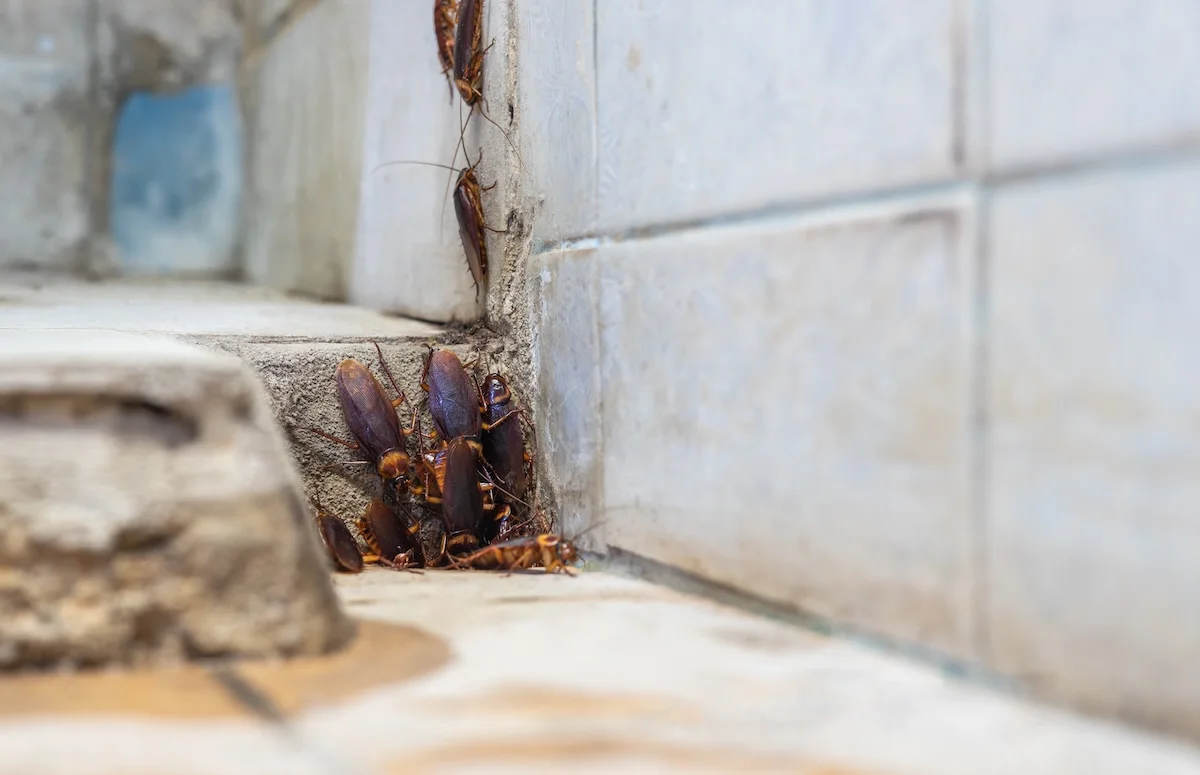
Leaf removal handles the outdoor conditions that attract pests, but some situations call for professional help. If you have an active rodent problem, recurring insect activity, or moisture issues that persist after cleanup, a trained technician can identify the cause and recommend targeted treatments and structural fixes.
Professional pest control also complements your cleanup efforts. Technicians can apply perimeter treatments, recommend exclusion work, and help you plan a year-round strategy. You can learn more about our approach on our pest control services page. For additional research on managing yard debris and home pest prevention, the University of Minnesota Extension offers science-based guidance you can trust.
A Simple Fall Cleanup Schedule
Following a timeline makes leaf removal and pest prevention easier to manage. The steps below can be adjusted to your local climate.
- Early fall: Trim branches, clean gutters, and begin regular leaf collection
- Mid-fall: Clear leaves from the foundation, decks, and walkways, and inspect exterior entry points
- Late fall: Remove remaining leaves from lawns and beds, clean gutters again, and seal gaps
- Early winter: Check for leaf buildup near the foundation after storms and confirm drainage is working
Consequently, staying ahead of the leaves keeps pests from finding shelter during the most vulnerable part of the year.
Protecting Your Home Through the Season
They seem harmless at first, but leaves bring pests and can shelter rodents, hold moisture against your foundation, clog gutters, and provide a home for insects and ticks. Leaf removal and pest prevention work together to keep your property healthy and your family comfortable. Moreover, a few hours of cleanup each week can prevent problems that would otherwise cost far more to fix.
Start with the areas closest to your home, keep gutters clear, trim vegetation, and inspect your exterior once the leaves are gone. If you notice signs of pests or want a professional assessment, contact James River Pest Solutions. Our team can help you protect your home from fall through winter.