

Summer brings outdoor adventures for your pets—backyard playtime, neighborhood walks, and park visits create wonderful memories. However, warm weather also brings numerous pests that threaten your pet. Ticks, fleas, mosquitoes, and other parasites pose serious health risks to dogs and cats enjoying outdoor time. Therefore, understanding comprehensive outdoor pet safety and pest prevention strategies protects your beloved companions from diseases and discomfort.
Many owners focus on preventing fleas and ticks through medications while overlooking other concerns. However, comprehensive safety encompasses protection from multiple pest threats simultaneously. Moreover, it requires year-round vigilance, as some pests remain active during warmer months when pets spend more time outside. Consequently, implementing multiple pest prevention layers ensures maximum outdoor pet safety for your dogs and cats.
Understanding Outdoor Pest Threats to Pet Safety
Different pests affect outdoor pet safety in various ways, from causing direct discomfort to transmitting serious diseases.
Fleas and Ticks: Primary Outdoor Pet Safety Threats
Fleas and ticks are perhaps the most obvious outdoor pet safety concerns. These parasites attach to pets, causing itching, discomfort, and potential disease transmission. Furthermore, flea and tick infestations don’t just affect pets—they easily invade homes, affecting your family’s safety as well.
Tick-borne diseases include Lyme disease, Rocky Mountain spotted fever, and anaplasmosis. Additionally, flea infestations lead to anemia and tapeworms. Consequently, preventing flea and tick attachment is critical for outdoor pet safety.
Mosquitoes and Disease Transmission
While mosquitoes primarily target humans, they also threaten pets by transmitting heartworm and other diseases. Moreover, mosquito bites cause itching and discomfort. Furthermore, mosquito-borne diseases are particularly dangerous for pets, with heartworm potentially causing fatal complications.
Therefore, protecting your pets includes mosquito prevention for pets sharing outdoor spaces with humans.
Other Outdoor Pests Affecting Pet Safety
Beyond fleas, ticks, and mosquitoes, other pests threaten outdoor pet safety:
- Wasps and hornets that sting pets protectively defending nests
- Spiders whose bites can cause localized reactions
- Intestinal parasites from contaminated soil or water
- Flies attracted to open wounds on pets
- Mites causing mange and skin problems
Moreover, comprehensive pet safety addresses all these potential pest threats.
Veterinary-Prescribed Pest Prevention: Foundation of Outdoor Pet Safety
Professional-grade pest prevention is the cornerstone of outdoor pet safety, providing superior protection compared to over-the-counter alternatives.
Flea and Tick Prevention Options
Veterinarians offer multiple prevention methods:
Topical Treatments: Applied monthly directly to skin, these medications kill fleas and ticks on contact. Furthermore, monthly applications maintain consistent outdoor pet safety throughout peak pest seasons.
Oral Medications: Given as tablets or chews, these systemic treatments circulate through the bloodstream, killing parasites when they bite. Moreover, oral options provide convenient safety without messy topical application.
Tick Collars: Modern collars release protective gases preventing tick attachment for extended periods. Additionally, some collars provide 8-month safety with single application.
Injectable Preventatives: Some veterinarians offer injections providing extended pet safety without monthly dosing.
Combination Products: Many products provide safety against multiple pest types simultaneously.
Importantly, consulting your veterinarian ensures you select outdoor pet safety products appropriate for your pet’s age, weight, health status, and lifestyle. Furthermore, your vet recommends products most effective against pests common in your region.
Heartworm and Mosquito Prevention
Protecting pets from mosquito-borne disease requires:
- Year-round heartworm prevention even in cooler climates
- Monthly treatments during peak mosquito seasons
- Injectable options for pets resistant to other forms
- Combination products providing both heartworm and flea/tick prevention
Moreover, heartworm prevention is critically important because heartworm disease is difficult and expensive to treat.
Natural and Supplemental Outdoor Pet Safety Measures
While veterinary products provide primary outdoor pet safety, supplemental measures enhance protection.
Natural Pest-Repelling Options
Some natural substances support outdoor pet safety:
- Neem oil showing tick-repelling properties
- Diatomaceous earth potentially effective as powder on pets and bedding
- Cedarwood and eucalyptus oils with limited but some evidence
- Herbal supplements with variable effectiveness
- Apple cider vinegar sometimes recommended
However, effectiveness of natural methods varies considerably. Therefore, natural approaches work best as supplemental measures supporting veterinary prevention rather than replacements.
Protective Clothing and Barriers
Physical barriers provide:
- Tick-preventative clothing designed for dogs
- Mosquito netting over beds or resting areas
- Fine-mesh screens in pet enclosures
- Protective booties for areas with high pest activity
Furthermore, combining protective barriers with veterinary prevention maximizes outdoor pet safety.
Environmental Outdoor Pet Safety: Yard and Landscape Management
Your yard’s condition significantly impacts pest populations.
Reducing Tick and Flea Habitat
Creating unfavorable conditions for pests improves outdoor pet safety:
- Keep grass short reducing tick habitat
- Remove leaf litter where ticks hide during winter
- Clear brush piles eliminating shelter
- Thin dense plantings improving air circulation
- Remove dead wood and fallen branches
- Maintain proper drainage preventing mosquito breeding sites
Moreover, these landscaping improvements benefit your entire family’s outdoor safety, not just pets.
Wildlife Management for Outdoor Pet Safety
Wild animals carry pests that affect outdoor pet safety:
- Remove food sources that attract wildlife
- Secure garbage cans preventing wildlife access
- Eliminate brush and debris where wildlife shelters
- Install wildlife exclusion around pet areas
- Professional wildlife removal if populations establish
Furthermore, reducing wildlife populations naturally decreases tick numbers on your property since deer are primary tick hosts.
Professional Yard Treatment
For significant pest problems affecting outdoor pet safety:
- Professional yard spraying targeting tick and flea habitat
- Perimeter treatments creating protective barriers
- Mosquito control reducing flying pest populations
- Seasonal programs maintaining protection throughout warm months
Additionally, professional yard treatment often provides results homeowners cannot achieve through environmental management alone.
Tick and Flea Inspection: Daily Outdoor Pet Safety Practice
Regular pet inspections catch parasites early, maximizing outdoor pet safety.
Proper Inspection Technique
Daily outdoor pet safety inspection should include:
- Feeling for ticks by running hands over entire body
- Checking hidden areas between toes, ears, and under collars
- Examining skin for flea dirt appearing as dark specks
- Parting fur to look for live fleas
- Checking ears and tail base where parasites congregate
- Inspecting less-visible areas like underarms and groin
Furthermore, discovering parasites during inspection allows immediate removal before disease transmission occurs.
Proper Tick Removal
If you discover ticks during outdoor pet safety inspection:
- Use fine-tipped tweezers grasping at the head
- Pull straight out with steady pressure
- Avoid squeezing the body which forces toxins into the bite
- Never use heat, petroleum jelly, or matches which don’t remove ticks
- Clean the bite area with antiseptic
- Dispose properly in sealed containers or alcohol
Moreover, prompt tick removal reduces disease transmission risk significantly.
Seasonal Outdoor Pet Safety Considerations
Pest activity varies by season, requiring adjusted outdoor pet safety approaches.
Spring and Summer Peak Season
Warm months bring maximum outdoor pet safety concerns:
- Continue or begin flea/tick prevention consistently
- Perform daily inspections during outdoor time
- Avoid tick-prone areas during peak activity times
- Maintain yard reducing pest habitat
- Schedule professional treatments if needed
Fall Transition
As temperatures cool, outdoor pet safety adjusts:
- Maintain flea and tick prevention through fall
- Remove leaf litter preventing tick overwintering
- Monitor for increased activity as pests seek shelter
- Prepare for indoor risks as pests move indoors
Winter Outdoor Pet Safety
While outdoor pest activity decreases, outdoor pet safety remains important:
- Maintain heartworm prevention year-round
- Use indoor pest control preventing winter flea populations
- Monitor for overwintering pests in protected areas
- Prepare for spring by beginning preventative treatments
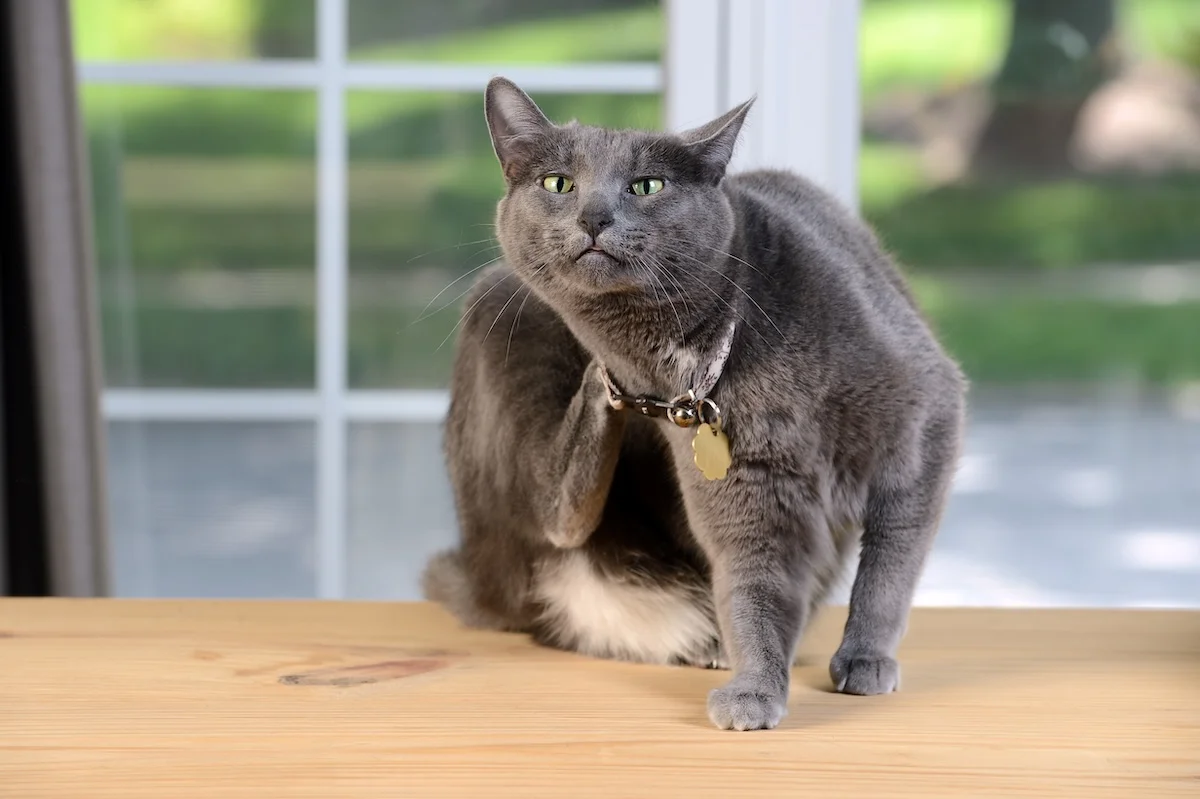
Recognizing Signs of Flea and Tick Problems Affecting Pet Safety
Early recognition of pest problems protects outdoor pet safety:
Flea Infestation Signs
Watch for outdoor pet safety concerns including:
- Excessive scratching or itching often in patterns
- Red, irritated skin from scratching
- Flea dirt appearing as dark specks in coat
- Hair loss from intense scratching
- Behavioral changes indicating discomfort
- Anemia in severe cases causing pale gums
Furthermore, early treatment prevents complications like tapeworms and anemia.
Tick Infestation Signs
Concerns from ticks include:
- Visible ticks on body
- Lumps or bumps from tick bites
- Lethargy and loss of appetite suggesting disease
- Fever potentially indicating tick-borne disease
- Lameness or stiffness from Lyme disease
- Behavioral changes from illness
Moreover, any concerning signs warrant veterinary attention for a safety assessment.

Cat-Specific Outdoor Pet Safety Considerations
While many principles apply to both dogs and cats, felines have unique considerations.
Feline Flea and Tick Prevention
Cats require specific products:
- Cat-specific medications avoiding dog products that are toxic
- Smaller doses appropriate for feline weight
- Collar options designed for cats
- Topical treatments formulated for feline safety
- Never use essential oils that are toxic to cats
Furthermore, never apply dog flea treatments to cats, as many contain toxins harmful to felines.
Feline Mosquito and Heartworm Protection
Safety for cats includes heartworm prevention:
- Monthly heartworm prevention during mosquito season
- Indoor cats potentially needing protection if exposed to mosquitoes
- Outdoor cats requiring year-round protection
- Veterinary guidance ensuring appropriate dosing
Additionally, while cats are more resistant to heartworm than dogs, infection remains possible and serious.
Professional Outdoor Pet Safety Services
Beyond veterinary prevention, professional pest control supports outdoor pet safety.
At James River Pest Solutions, we understand that pet safety requires comprehensive approaches. Our services include professional yard treatments reducing pest populations, landscaping recommendations creating pet-safe environments, ongoing monitoring maintaining protection, and coordination with veterinary prevention for maximum effectiveness.
When you choose our services, you receive expert assessment of your yard’s pest risks, customized treatment plans safe for pets, professional-grade products creating protective barriers, seasonal programs maintaining year-round protection, and peace of mind knowing professionals support your pets’ outdoor safety.
Create a Safe Outdoor Environment for Your Pets
Your dogs and cats deserve outdoor time without pest harassment or disease risk. Comprehensive pet safety combining veterinary prevention, environmental management, regular inspection, and professional pest control creates the safest possible outdoor environment for your pets.
Contact James River Pest Solutions today for a professional assessment of risks on your property. Our experienced technicians will identify pest threats, recommend prevention strategies, and implement professional treatments ensuring your yard supports pet safety.
Work with your veterinarian on prevention medications while partnering with us on environmental pest control. Together, we’ll create an outdoor environment where your pets can play safely throughout warm seasons. Call James River Pest Solutions now for comprehensive outdoor pet safety services protecting your beloved companions.