
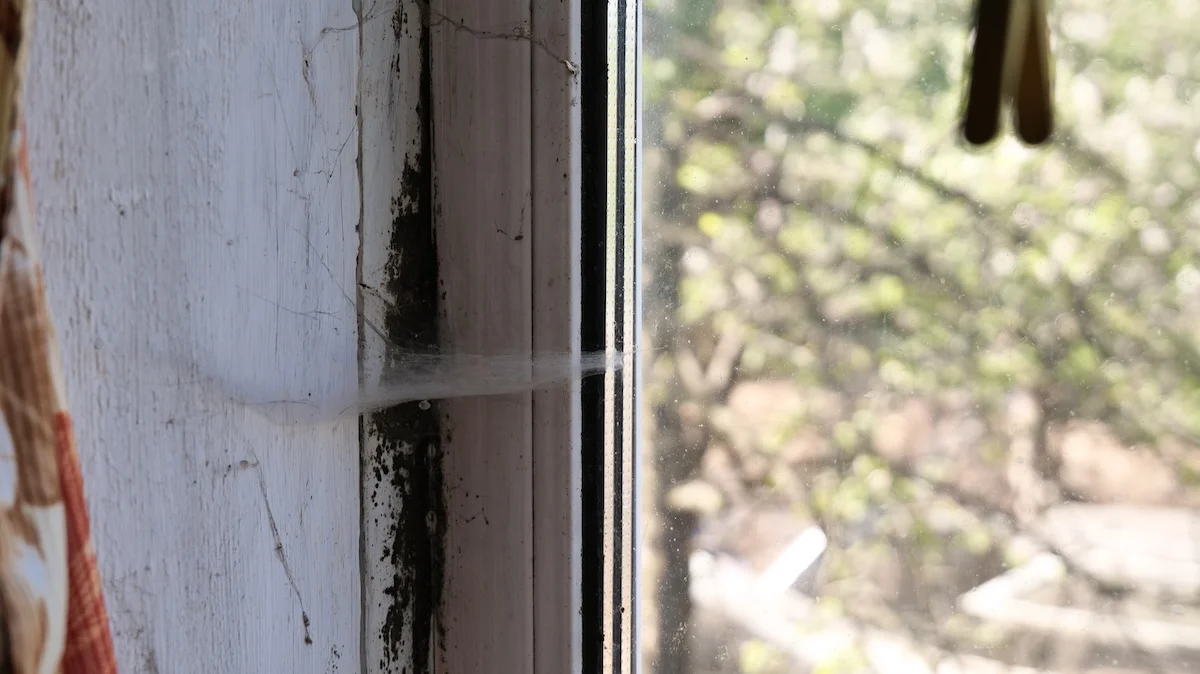
Every fall, homeowners notice more spiders than usual. Webs appear in corners of garages, sheds, and window frames, and spiders turn up in bathtubs, closets, and bedroom ceilings. Although these eight-legged visitors may seem to arrive overnight, their indoor invasions follow a predictable seasonal pattern. Understanding why spiders enter homes in autumn helps you prevent unwelcome encounters and keep your living spaces comfortable through the cold months. Moreover, knowing how spiders behave makes it easier to choose the right control methods rather than relying on guesswork.
Most spiders are harmless to people, and many of them help control other pests. However, the sudden appearance of spiders inside a home can still be alarming, particularly when webs collect in visible areas or when a family member has a fear of spiders. Therefore, learning what draws spiders indoors and how to block their entry is a practical step for any homeowner.
Why Fall Triggers Spider Invasions
Spiders are not trying to move in permanently. Instead, they respond to changes in their environment that make outdoor life harder to sustain. As daylight shortens and temperatures drop, many spiders begin searching for sheltered locations where they can survive until spring. Consequently, the warm, protected spaces inside a home become attractive.
Several seasonal changes push spiders toward buildings:
- Cooler nighttime temperatures that make outdoor shelters less comfortable
- Rain and humidity that drive spiders from soil, leaf litter, and damp ground
- Harvest activity in gardens and fields that disturbs natural habitats
- Declining insect populations that reduce the food supply outdoors
- Shorter days that signal the approach of winter
Because spiders depend on insects for food, a drop in the outdoor insect population also prompts them to search elsewhere. Your home, with its lights, warmth, and steady supply of insects drawn indoors, can look like an appealing alternative.
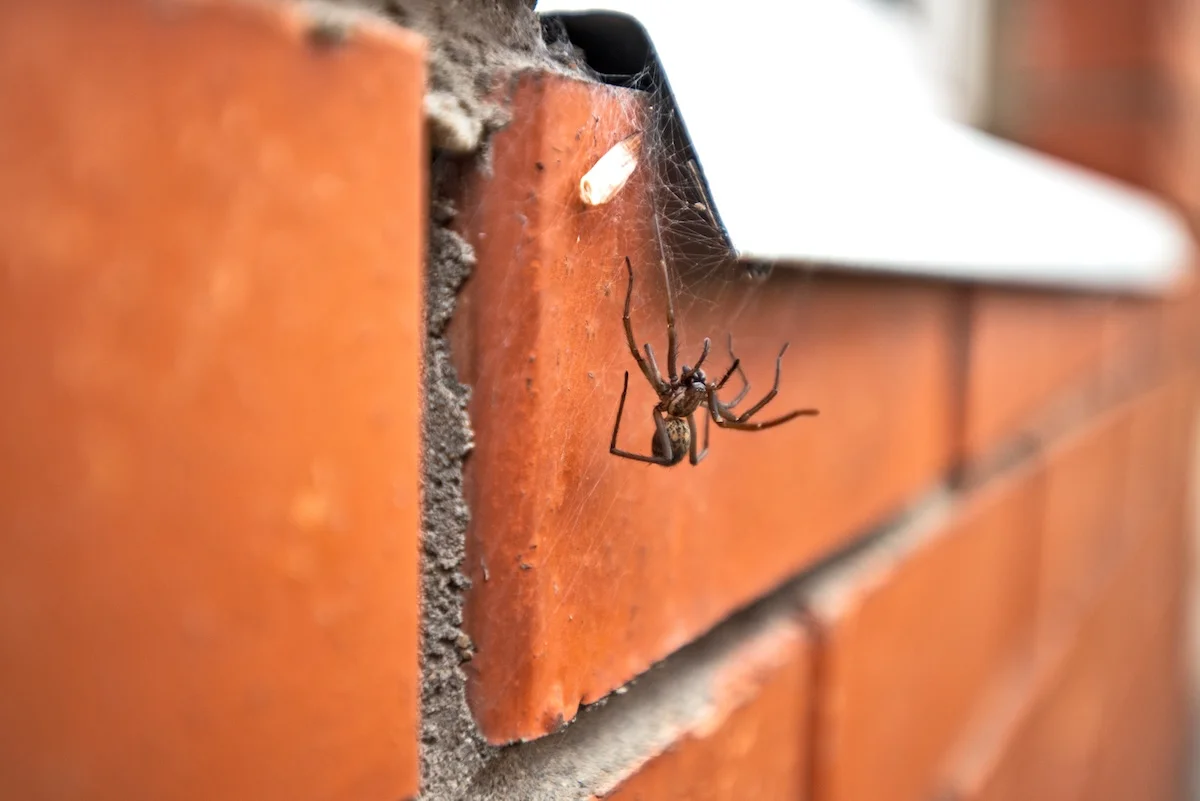
Spiders That Commonly Enter Homes
Many spider species can end up indoors, but a few are seen far more often during autumn. Knowing which spiders you are dealing with helps determine how concerned to be and how to respond.
House Spiders
House spiders are among the most common indoor spiders. They build messy, irregular webs in corners, closets, and undisturbed areas. Their bodies are typically brown or gray, and they tend to move quickly when disturbed. Although their webs can look unsightly, these spiders are generally harmless to people.
Cellar Spiders
Cellar spiders, often called daddy longlegs in some regions, have long, thin legs and small bodies. They build loose, tangled webs in basements, crawl spaces, and garages. Like house spiders, they are not considered dangerous to humans.
Orb Weavers
Orb weavers spin the classic circular webs seen in gardens and porches. While they usually stay outdoors, some species wander into entryways, sheds, and garages as temperatures fall. Their webs can be large, but they pose little risk to residents.
Wolf Spiders
Wolf spiders are larger, ground-dwelling hunters that do not build webs. They sometimes enter homes through gaps near doors or basement windows. Although they can look intimidating, they usually prefer to avoid people and typically bite only when handled or trapped.
Brown Recluse Spiders
Brown recluse spiders are less common in most areas, but they are worth mentioning because their bites can cause serious reactions. They tend to hide in dark, cluttered spaces such as storage boxes, closets, and wall voids. If you suspect a brown recluse, avoid handling it and contact a professional for identification and removal.
Common Entry Points Into Your Home
Spiders can slip through openings that seem far too small to matter. Many species need only a crack the width of a pencil to gain access. Identifying and sealing these entry points is one of the most effective prevention steps you can take.
Common entry points include:
- Gaps around window and door frames where caulk has cracked or shrunk
- Damaged or missing screens on windows, vents, and doors
- Gaps under exterior doors where weatherstripping has worn away
- Openings around utility lines including cable, gas, electrical, and plumbing
- Foundation cracks and gaps where siding meets the foundation
- Vents, soffits, and attic openings that lead into roof spaces
Moreover, walking the exterior of your home during early fall reveals many of these weak points before spiders find them. Additionally, checking the inside of window frames and garage door seals can uncover gaps that outside inspections miss.
Attractants That Draw Spider Invasions Inside
Entry points allow spiders to get in, but attractants give them a reason to stay. Reducing these attractants makes your home less appealing.
Insects Around Light
Outdoor lights attract moths, flies, and other insects at night. Those insects, in turn, attract spiders that hunt them. Switching exterior bulbs to yellow or sodium-vapor lights, where practical, and turning off unnecessary lights can reduce this food chain. Furthermore, keeping lights away from doors and windows limits the number of insects gathering near openings.
Clutter and Storage
Cardboard boxes, stacked firewood, piles of clothing, and stored items in garages and basements provide the dark, undisturbed hiding spots spiders prefer. Therefore, organizing storage areas and placing items in sealed plastic containers reduces harborage. Keeping items off the floor also makes it easier to spot webs and egg sacs.
Moisture and Humidity
Damp basements, crawl spaces, and bathrooms attract insects, which in turn draw spiders. Running dehumidifiers, fixing leaks, and improving ventilation can make these areas less hospitable to both pests and the spiders that follow them.
Vegetation Against the House
Shrubs, ivy, and tree branches that touch exterior walls create bridges spiders can use to reach windows, roofs, and entry doors. Trimming vegetation so it stays several feet from the structure removes these pathways and improves airflow around the foundation.
Signs You May Have a Spider Problem
Spider invasions are often noticed only after they have been present for some time. Watching for early signs helps you respond before populations grow.
Warning signs include:
- Webs in corners, windows, and ceilings that reappear shortly after cleaning
- Spiders in bathtubs and sinks, which often indicate moisture-seeking insects nearby
- Egg sacs attached to walls, ceilings, or stored items
- Shed skins or small clusters of spiders in dark areas
- An increase in other insects, since spiders often follow their food supply
Because spider activity often reflects the presence of other insects, a spider problem may point to a broader pest issue that needs attention.
Safe Removal and Cleanup
When spiders do appear indoors, simple removal methods can handle most situations. Consider these steps:
- Vacuum webs and spiders using a hose attachment, then empty the canister or bag outdoors
- Capture spiders in a cup and paper, then release them outside away from the house
- Wipe down web-prone areas with a damp cloth or duster on a regular schedule
- Wear gloves when reaching into stored items, boxes, or dark spaces
- Shake out outdoor items such as gloves, shoes, and tools before bringing them inside
Avoid squashing spiders when possible. Crushing them can leave stains and does not prevent others from entering. Instead, removing webs and egg sacs regularly discourages spiders from settling in.
Exterior Prevention Strategies for Spider Invasions
The most effective spider control begins outdoors. By reducing the reasons spiders want to be near your home and making entry more difficult, you can greatly cut down on indoor encounters.
Seal and Repair
Walk the perimeter of your home and seal any cracks in the foundation, siding, and trim. Apply exterior-grade caulk around windows, doors, and utility penetrations. Repair damaged screens and install door sweeps on exterior doors. Additionally, cover attic and soffit vents with fine mesh that spiders cannot pass through.
Manage Landscaping
Keep mulch, leaf litter, and dense plantings away from the foundation. Trim shrubs and tree limbs so they do not touch the house. Moreover, clearing weeds and tall grass near the structure removes hiding places for both spiders and the insects they eat.
Clean Up Clutter Outdoors
Stacked firewood, unused pots, and debris piled against the house give spiders shelter. Store firewood away from the structure and off the ground, and remove items that are no longer needed. Consequently, your exterior becomes less attractive as a winter refuge.
Interior Prevention Habits
Even with strong exterior defenses, some spiders will find a way inside. Regular indoor habits help keep populations in check.
- Vacuum corners, baseboards, and ceilings weekly during fall
- Dust window sills and light fixtures to remove webs and insects
- Inspect basements, garages, and closets every few weeks
- Keep storage containers sealed and off the floor
- Repair window screens promptly when tears appear
Furthermore, a consistent cleaning routine makes spiders easier to spot early, before webs multiply and egg sacs are laid.
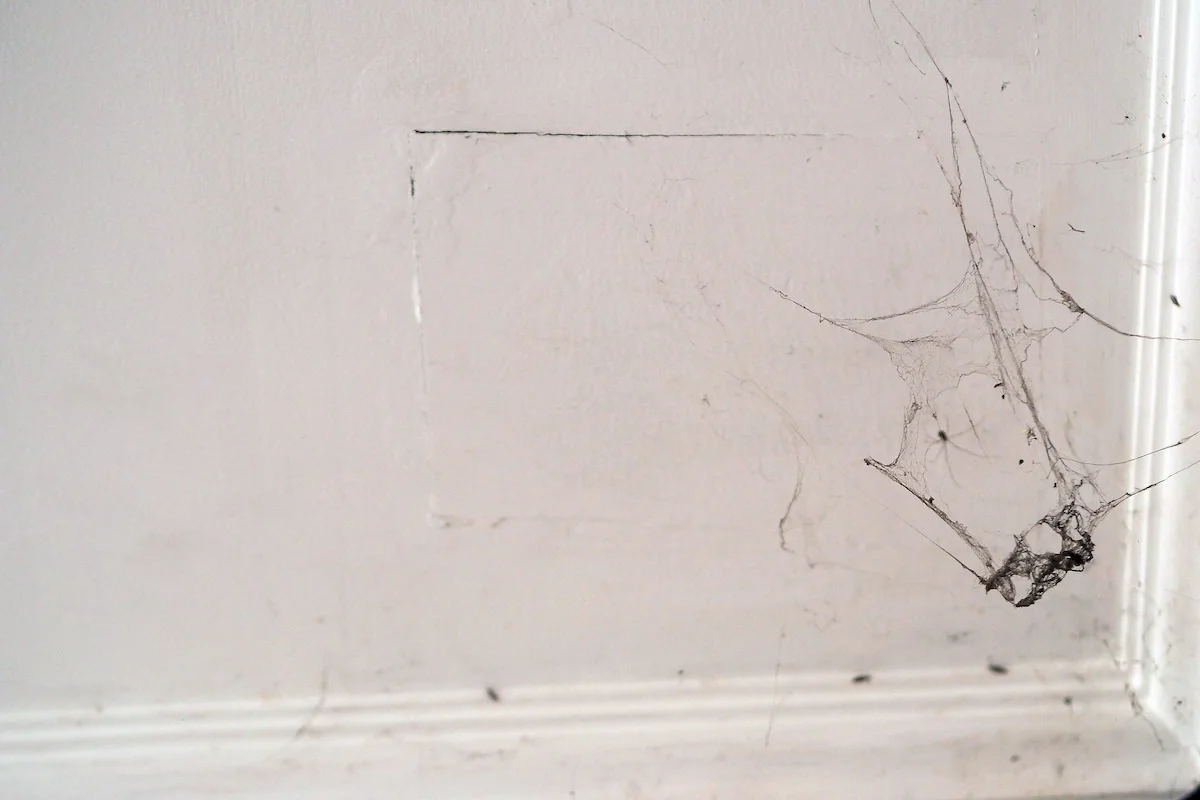
When to Call a Professional
Many spider invasions can be handled with prevention and cleaning. However, professional help is worth considering in certain situations. If webs keep returning despite regular cleaning, if you see large numbers of spiders, or if you suspect a dangerous species such as a brown recluse or black widow, a trained technician can identify the problem and recommend a targeted solution.
Professional services typically include a thorough inspection of entry points, interior and exterior treatments timed to seasonal activity, recommendations for sealing gaps and reducing attractants, and follow-up visits to confirm results. You can learn more about how we handle fall pest concerns on our fall pest control services page. For research-based information on spider biology and home prevention, the University of Minnesota Extension offers helpful, science-backed resources.
Timing Your Prevention Efforts
The best time to address spider invasions is before temperatures fall significantly. Late summer and early fall offer the ideal window for exterior work, while late fall is better suited for maintenance and monitoring. A simple timeline can help:
- Late summer: Trim vegetation, clear debris, and inspect exterior walls
- Early fall: Seal gaps, repair screens, and cover vents
- Mid-fall: Adjust exterior lighting and reduce clutter in storage areas
- Late fall: Continue regular vacuuming, dusting, and web removal
Consequently, following this schedule gives your home its best chance to stay spider-free through the colder months.
Why Early Action Matters
Spiders that establish themselves indoors can produce multiple egg sacs, each containing many young. Therefore, a few spiders in October can become a much larger presence by winter. Acting early keeps the problem small and manageable.
Sealing a handful of gaps and clearing a cluttered garage in September takes far less effort than dealing with widespread webs and egg sacs in December. Furthermore, prevention protects your home’s comfort, reduces cleaning time, and keeps your family’s living spaces more pleasant throughout the season.
Keeping Your Home Spider-Free This Fall
Spider invasions are common in fal because they are looking for shelter, food, and protection from the cold. Your home offers all three, especially when entry points are open and attractants are plentiful. By sealing gaps, reducing clutter, managing landscaping, and maintaining consistent cleaning habits, you can greatly reduce the number of spiders that make it inside.
If spiders are already a regular presence in your home or you are unsure what species you are dealing with, contact James River Pest Solutions for a fall inspection. Our technicians will identify the entry points, recommend practical improvements, and help you enjoy a spider-free autumn and winter.