
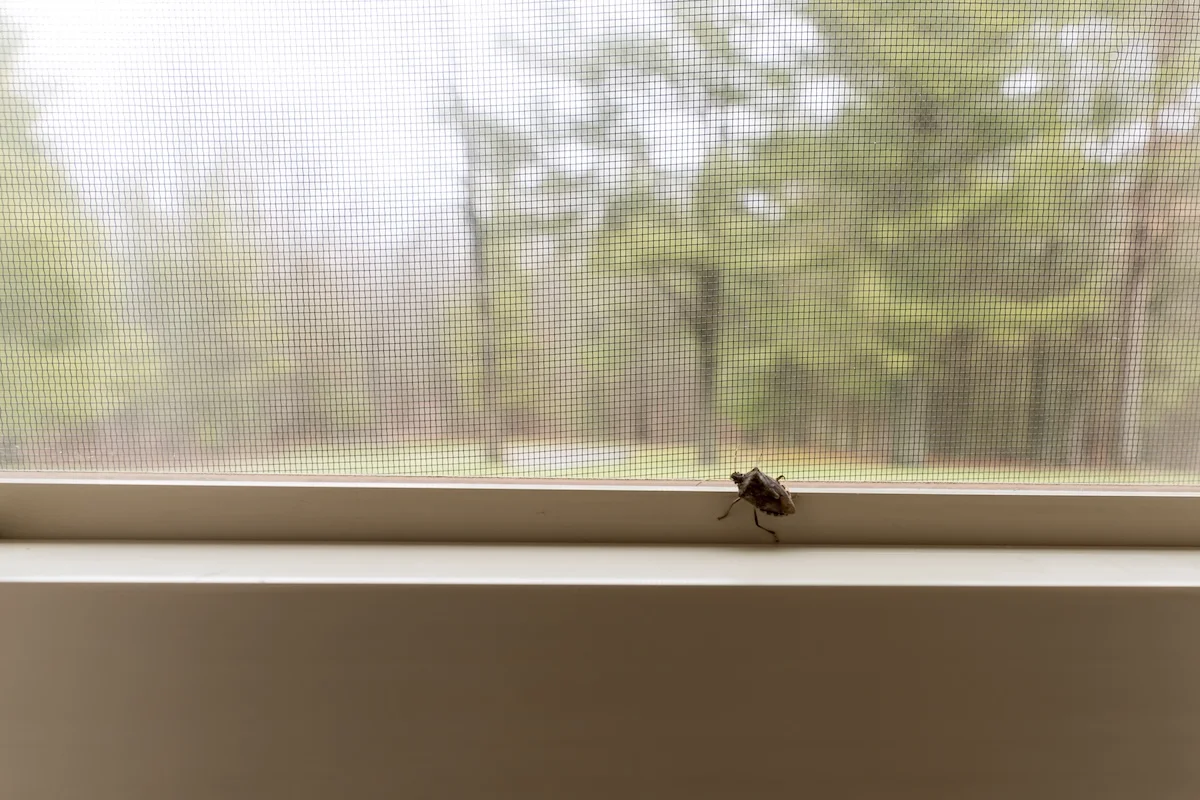
Every autumn, homeowners across the region discover the same unpleasant surprise: clusters of stink bugs crawling across windowsills, curtains, and ceilings. Although these insects seem to appear out of nowhere, their arrival follows a predictable pattern tied to temperature, daylight, and the search for winter shelter. Understanding why stink bugs in fall invade homes helps you prevent infestations before they start. Moreover, knowing how these pests behave makes it easier to choose the right control methods and avoid the mistakes that keep them coming back.
Stink bugs are more than a seasonal annoyance. They release a foul odor when disturbed, stain fabrics and surfaces, and can gather in large numbers that overwhelm even determined homeowners. Therefore, learning what draws them indoors and how to block their entry is essential for anyone who wants a comfortable fall and winter.
What Stink Bugs Are
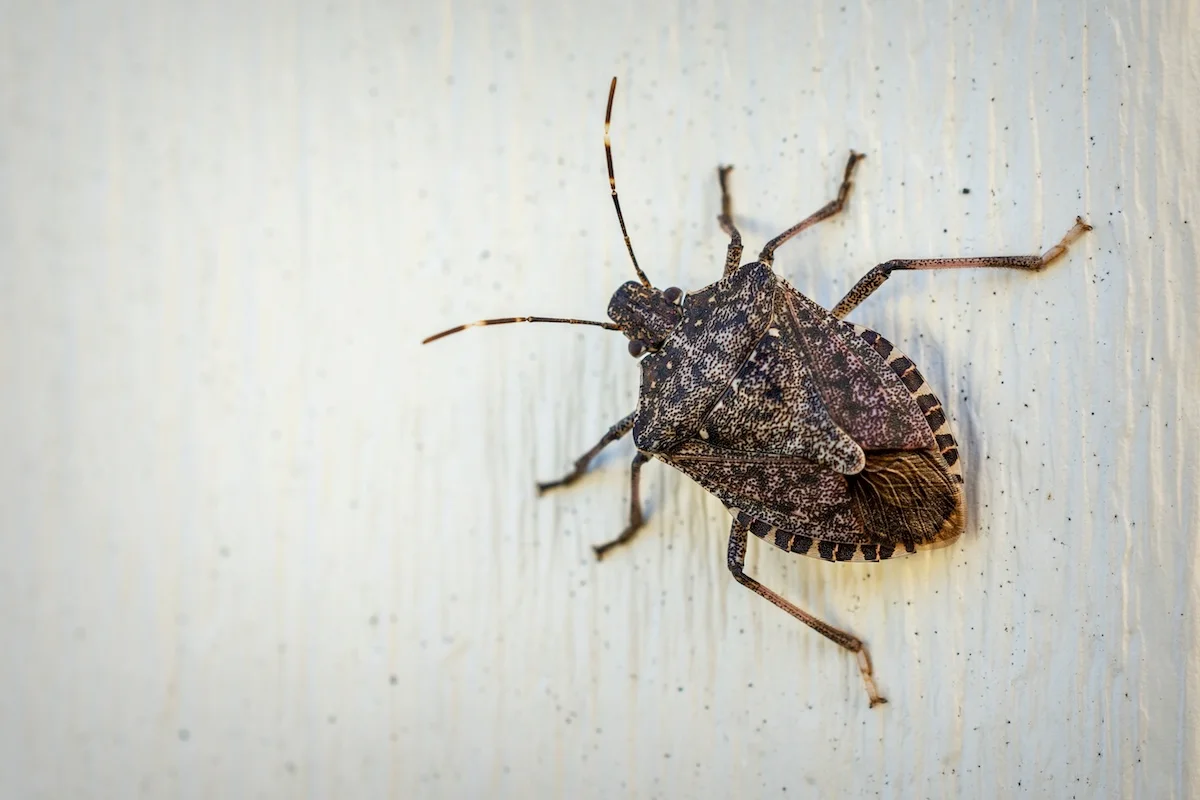
Stink bugs are shield-shaped insects in the Pentatomidae family. The most common nuisance species in many areas is the brown marmorated stink bug, an invasive insect first identified in North America in the late 1990s. Its mottled brown body, banded antennae, and flat, shield-like shape make it easy to recognize once you know what to look for.
Native stink bug species also exist, and many share similar behaviors. Regardless of species, stink bugs feed on plants by piercing leaves, stems, and fruit with their mouthparts. Consequently, they are a concern for gardeners and orchard growers. However, inside a home, they are primarily a nuisance rather than a structural threat.
Why Stink Bugs Seek Shelter in Autumn
Stink bugs are not trying to live inside your house. Instead, they are looking for a safe place to survive the winter. As days shorten and temperatures drop, these insects enter a state of dormancy called diapause. During this period, they need a sheltered spot that stays above freezing and protects them from predators and harsh weather.
Because outdoor shelter becomes scarce in autumn, stink bugs search for gaps and cracks that lead to warm wall voids, attics, and living spaces. Furthermore, sun-warmed exterior walls often attract them during the day. Once they find an opening, they can slip inside and remain hidden until spring.
Environmental Cues That Trigger Invasion
Several factors signal stink bugs that it is time to move indoors:
- Shorter daylight hours that trigger the transition into winter dormancy
- Falling nighttime temperatures that make outdoor sites less hospitable
- Warm, sunny afternoons that draw bugs to sun-facing walls and window frames
- Harvest activity in nearby fields, orchards, and gardens that disrupts their food sources
- Proximity to host plants such as shrubs, trees, and crops around your property
Therefore, a home surrounded by vegetation and sun-exposed siding often sees heavier stink bug activity than a property with less natural cover.
Common Entry Points Into Your Home
Stink bugs are surprisingly good at finding tiny openings. Even a gap roughly the width of a pencil can provide access. Identifying and sealing these entry points is one of the most effective prevention steps you can take.
Common entry points include:
- Gaps around window and door frames where caulk has cracked or shrunk
- Damaged or missing screens on windows, vents, and doors
- Openings around utility lines such as cable, gas, electrical, and plumbing
- Soffit vents and attic openings that lead directly into roof spaces
- Siding gaps and cracks where different building materials meet
- Chimney and dryer vent openings that lack proper covers
Moreover, a thorough exterior walkaround in early fall reveals many of these weak points before bugs find them. Additionally, inspecting the inside of window frames and corners can uncover gaps that exterior checks miss.
How to Recognize a Stink Bug Problem
Early detection helps you respond before the population grows. Stink bugs typically gather in groups, often on sunny exterior walls in the afternoon. Once inside, they tend to move toward windows, lights, and ceilings.
Signs you may have a stink bug problem include:
- Clusters of bugs on exterior walls, window frames, or siding
- Bugs appearing indoors on windows, curtains, or ceilings
- A sharp, unpleasant odor when bugs are crushed or disturbed
- Stains on light-colored fabrics or walls after bugs are squashed
- Bugs emerging from light fixtures, vents, or wall voids on warm days
Because stink bugs can remain hidden for months, a few visible insects often signal a larger group inside wall voids or attics.
Why Stink Bugs Are Hard to Remove by Hand
Many homeowners try to vacuum, sweep, or swat stink bugs as they appear. While these methods provide short-term relief, they rarely solve the problem. Crushing a stink bug releases its odor and can leave a stain, making the experience even more unpleasant. Furthermore, a crushed bug can release chemical signals that attract others to the same area.
Stink bugs rarely reproduce inside homes, so the indoor population usually consists of insects that entered from outside. Therefore, removing the bugs you see is only part of the solution. Sealing entry points and treating exterior harborage areas addresses the root of the problem.
Safe Removal Techniques for Homeowners
If stink bugs have already entered your home, careful removal limits odor and staining. Consider these approaches:
- Vacuum them up using a canister or handheld vacuum, then empty the contents outdoors immediately
- Use a vacuum with a disposable bag or seal the canister contents before discarding
- Capture them in a jar with soapy water or a cup and a piece of paper, then release them outside away from the house
- Wear gloves if you need to handle them directly
- Clean surfaces with mild soap and water to remove residue and odor
Avoid crushing stink bugs indoors whenever possible. Instead, containing them allows for safer disposal and reduces the smell that lingers in the room.
Exterior Prevention Strategies
The most effective stink bug control starts outside. By making your exterior less attractive and less accessible, you reduce the number of bugs that ever reach your walls.
Seal and Repair
Walk the perimeter of your home and address any gaps you find. Apply exterior-grade caulk to cracks in siding, trim, and foundation areas. Repair damaged screens, install door sweeps, and make sure weatherstripping seals tightly. Additionally, check that attic and soffit vents are covered with fine mesh that bugs cannot pass through.
Manage Vegetation
Keeping plants trimmed away from the house reduces the number of stink bugs that settle on your siding. Moreover, removing weeds and tall grass near the foundation limits hiding places. Pruning shrubs so they do not touch exterior walls also removes bridges that bugs can use to reach windows and eaves.
Clean Up Harborage
Leaf litter, woodpiles, and debris near the house offer protected sites where stink bugs can overwinter. Clearing these materials away from the foundation makes your property less appealing during the cooler months.
Adjust Exterior Lighting
Stink bugs are attracted to light, particularly at night. Switching exterior bulbs to yellow or sodium-vapor lights, where practical, and reducing unnecessary lighting around entry doors can lower the number of bugs drawn to your home after dark.
Interior Prevention Tips
Even with strong exterior defenses, a few bugs may still find a way in. Interior habits help limit their spread.
- Check window screens regularly and repair holes promptly
- Keep windows and doors closed during peak activity on warm afternoons
- Dust and vacuum window sills and corners weekly during fall
- Inspect boxes and stored items brought in from garages or sheds
- Reseal gaps in interior window trim where cracks appear
Furthermore, maintaining a regular cleaning routine during autumn makes stink bugs easier to spot and remove before they gather in large numbers.
Professional Stink Bug Control
When populations are large or when bugs keep returning despite your best efforts, professional help is the most reliable solution. Pest control technicians can identify entry points that are difficult to see, apply exterior treatments to areas where stink bugs congregate, and recommend structural improvements that address the source of the problem.
Professional services typically include a thorough exterior and interior inspection, targeted treatments timed to stink bug activity, sealing recommendations for gaps and vents, and follow-up visits to confirm results. Moreover, many homeowners find that professional treatment provides longer-lasting relief than repeated DIY efforts.
You can learn more about how we handle these situations on our fall pest control services page. For research-based guidance on managing stink bugs and other invasive insects, the University of Maryland Extension is a helpful resource.
Timing Matters: When to Act
The best time to address stink bugs is before they begin moving indoors. Late summer and early fall are ideal for exterior inspections, sealing, and preventive treatments. Waiting until bugs are already inside makes control more difficult and less effective.
Here is a simple timeline to follow:
- Late summer: Inspect the exterior, trim vegetation, and clear debris
- Early fall: Seal entry points, repair screens, and check attic vents
- Mid-fall: Schedule preventive treatments and monitor for early activity
- Late fall: Continue interior cleaning and address any bugs that appear
Consequently, following this schedule gives your home the best chance to stay clear of stink bugs through the winter.
Why Early Action Pays Off
Stink bugs rarely disappear on their own. Once they settle into wall voids and attics, they can remain hidden until the following spring, when they emerge and search for food. Therefore, a population that seems manageable in October can become a much larger problem by the time warm weather returns.
Acting early saves time and frustration. Sealing a few gaps in September costs far less than cleaning hundreds of bugs off your walls in November. Furthermore, prevention protects your home’s comfort, reduces odor and staining, and keeps your family’s living spaces more pleasant throughout the cold season.
Take Control of Stink Bugs This Fall
Stink bugs in fall invade homes because they need shelter for winter, and your home offers warmth and protection. By understanding their behavior, sealing entry points, managing your exterior, and maintaining good interior habits, you can significantly reduce the chances of an infestation.
If you already have stink bugs inside or notice clusters gathering on your walls, do not wait for the problem to grow. Contact James River Pest Solutions for a fall inspection and a customized prevention plan. Our technicians will find the entry points, recommend practical improvements, and help you enjoy a stink bug-free autumn and winter.